
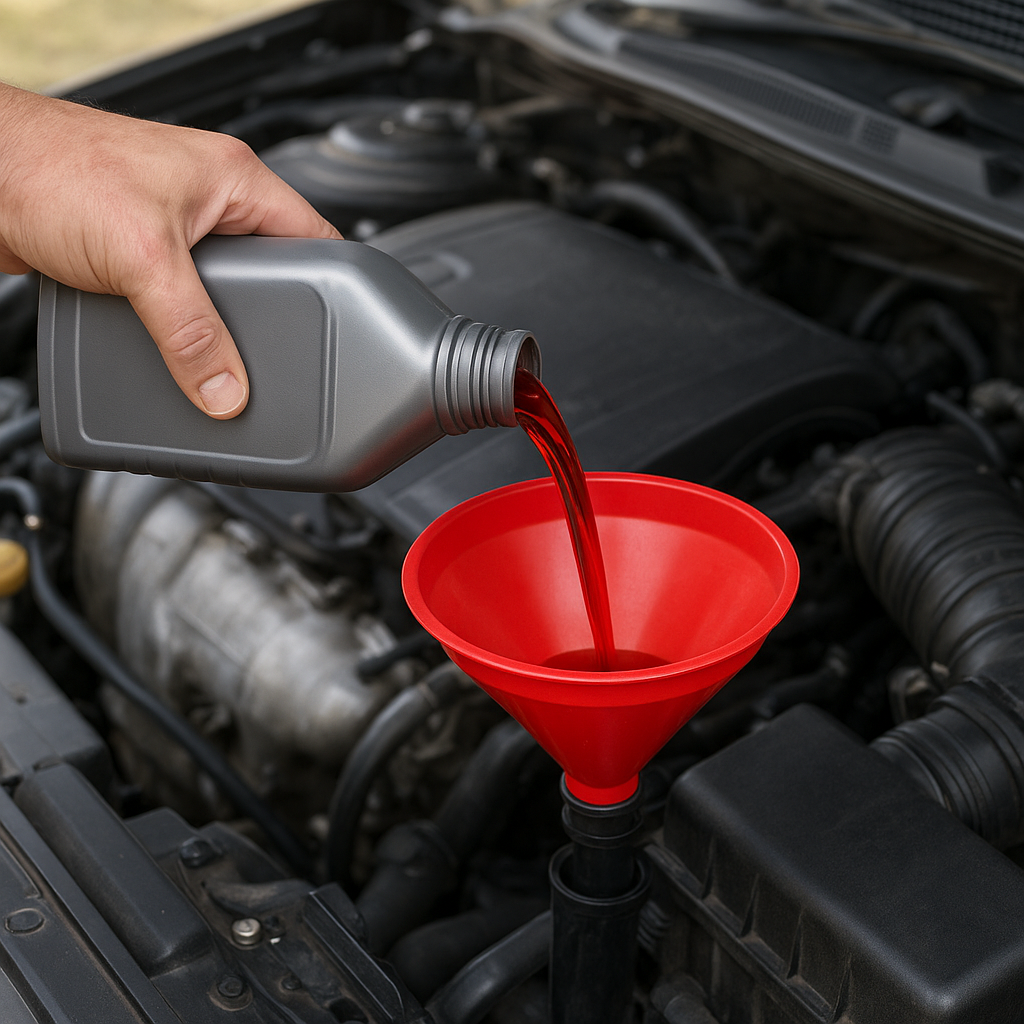
Transmission fluid does far more than just lubricate spinning gears. It manages thermal loads, cleans internal passages, and maintains the precise hydraulic pressure required for modern gear selection. In the nineteen eighties, drivers swapped this liquid every twenty thousand miles as a standard routine. Today, sealed units and synthetic blends complicate the picture. Understanding how temperature, mileage, and chemical breakdown interact keeps the drivetrain running smoothly without surprise breakdowns.
At what miles to change transmission fluid
The odometer number usually triggers service reminders, but factory guidelines rarely account for daily commuting stress. Heavy traffic, short trips, and frequent hill climbing push operating temperatures past safe thresholds. When fluid overheats, additive packages oxidize and viscosity drops. Most technicians advise checking the dipstick every ten thousand miles and scheduling a full replacement between forty and sixty thousand. Vehicles with known wear patterns might need earlier intervention.
- Inspect color during routine oil changes
- Track towing distance and payload weight
- Monitor shift timing in stop-and-go conditions
How often should i get transmission fluid change
Time degrades hydraulic performance just as much as distance. Fluid absorbs ambient moisture, reacts with rubber seals, and accumulates microscopic metal particles. Even parked cars experience chemical aging. A practical approach targets replacement every four to five years, regardless of accumulated distance. Regular inspections catch early warning signs like delayed engagement or a faint burnt odor. Ignoring calendar based service intervals often leads to solenoid clogging and erratic shifting.
How often do you change your transmission oil
Workshop terminology often mixes oil and fluid, though automatic formulations contain specific friction modifiers that straight lubricants lack. Dual clutch systems demand precise viscosity control to handle rapid plate engagement. Manual setups use thicker gear lubricants that resist thermal breakdown longer, yet still require monitoring once the liquid darkens. Routine replacement keeps planetary gears and torque converters operating within designed tolerances.
How often to change your transmission fluid
Severe duty schedules compress replacement windows significantly. Fleet vehicles, towing setups, and stop-and-go commuters face constant clutch cycling and elevated heat. Synthetic blends handle thermal stress far better than mineral bases, extending safe operating windows without compromising seal compatibility. Checking dipstick color reveals immediate status: bright red indicates fresh chemistry, dark brown signals oxidation, and a metallic sheen points to internal wear. Simple visual checks prevent expensive hydraulic failures.
Historical shifts in automotive lubrication
Old school mechanics relied on gravity drains that left contaminated liquid trapped inside the torque converter. Modern pressurized exchange machines cycle fresh product through cooler lines and valve bodies, removing nearly all degraded material. Chemical engineering shifted from basic mineral stocks to advanced synthetic compounds that maintain stable flow across extreme temperature ranges. The industry transitioned from reactive repairs to predictive maintanance schedules, though many sealed units still suffer from overlooked degradation. Proper fluid rotation remains the cheapest insurance for long term drivtrain health.
Regular fluid replacement preserves hydraulic integrity and prevents costly solenoid failure. Treat it like insurance for your drivetrain.
Additional maintenance guidelines and regional standards can be reviewed at federal safety resources and European automotive networks. Historical maintenance records are also archived at Источник: bbc.com.