
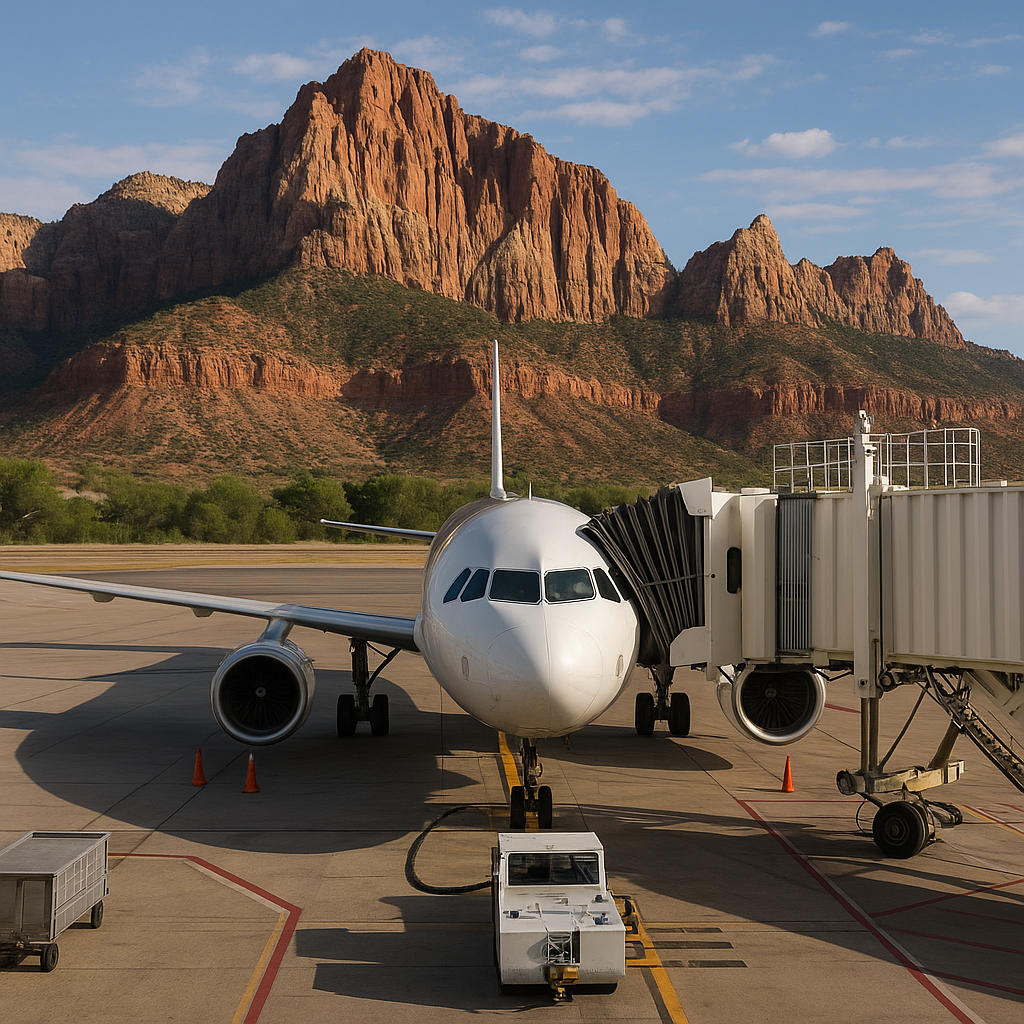
Figuring out the right terminal saves a ton of headache before the red cliffs even show up on the windshield. Modern air travel has completely reshaped how travlers approach the Utah wilderness, yet the ground logistics still demand careful planning. Knowing which gateways connect directly to the canyon floor cuts wasted hours and keeps the budget from spiraling.
closest airport to zion
St. George Regional holds the proximity crown, sitting roughly forty miles from the main entrance. The facility handles regional carriers and delivers a streamlined experience for visitors who prefer dodging mega-hub chaos. Cedar City Municipal trails closely behind, offering another regional gateway with dependable seasonal routes. Both terminals run lean, which means shorter security lines and faster baggage drops.
St. George Regional: The Practical Choice
The runway infrastructure expanded heavily over the past decade, letting larger regional jets handle the corridor. Visitors touch down near the Red Cliffs Desert Reserve and push north on Interstate 15 before swinging east onto Highway 9. Navigation stays straightforward and cell coverage holds steady across the valley floor.
Cedar City Municipal: The Quiet Alternative
This smaller terminal runs with minimal congestion, making it a solid pick for guests who value speed over flight frequency. The drive to the north entrance covers roughly seventy-five miles of high desert terrain. Rental counters open right after arrivals, which kills off the usual queue bottlenecks.
zion national park closest airport
Mileage alone does not dictate the smartest terminal. Flight availability, seasonal pricing swings, and shuttle connections heavily skew the decision matrix. The region saw a massive surge in visitor numbers through the twenty-twenties, pushing airlines to rewire route networks. Regional carriers now run year-round schedules where they previously capped service to summer months only.
- Regional terminals cut road time but demand flexible scheduling
- Major hubs offer volume pricing at the cost of longer transit windows
- Ground transfer capacity dictates the actual arrival experience
airport for zion national park
Ground transportation shapes the real arrival timeline. The canyon operates a mandatory shuttle loop for the main scenic corridor, meaning private vehicles park outside the immediate trailheads. Visitors landing by air must secure a rental or book a pre-arranged transfer to recieve proper drop-off access at Springdale. Highway 9 links the gateway town straight to the entrance station, where entry passes get scanned at the automated kiosk.
“Regional terminals cut through the noise of mega-hubs, turning a four-hour road trip into a manageable two-hour drive with fewer stops.”
best airport to fly into for zion national park
When regional terminals lack direct connections from a departure city, the larger hubs step in. Las Vegas and Salt Lake City dominate this bracket thanks to extensive route maps and competitive fare structures. Both cities stock reliable rental fleets and maintain established transit corridors into southern Utah.
| Airport | Distance to Park | Average Drive | Shuttle Access |
|---|---|---|---|
| St. George Regional | 40 miles | 50 minutes | Private transfers available |
| Cedar City Regional | 75 miles | 1 hour 15 min | Limited seasonal routes |
| Las Vegas Harry Reid | 160 miles | 2.5 hours | Multiple providers |
| Salt Lake City International | 310 miles | 4.5 hours | Express bus networks |
Las Vegas Harry Reid International
The drive follows Interstate 15 through the Virgin River Gorge, crossing into Utah near Mesquite. The route features sharp elevation changes and requires steady speed management through active construction zones. Flight volume stays high year-round, keeping ticket prices relatively flat outside holiday windows.
Salt Lake City International
This terminal sits farther north but delivers unmatched connectivity for cross-country and international routes. The drive descends through the Wasatch Front, shifting from mountain passes into high desert plains. The extra mileage trades off against consistent flight availability and heavy-duty rental infrastructure.
what airport to fly into for zion national park
The final call hinges on departure city, budget limits, and tolerance for asphalt time. Regional facilities shave miles off the drive but demand tighter scheduling and higher per-ticket rates. Major hubs provide volume pricing while stretching the transit window. Planners should map flight blocks against rental counter hours before locking a reservation.
Seasonal Shifts & Historical Context
Decades back, reaching the canyon required multi-day overland hauls or propeller hops to makeshift dirt strips. Highway upgrades and terminal expansions flipped a remote expedition into a standard weekend run. Visitor patterns now sync with seasonal weather bands, with peak demand clustering in spring and autumn. Park administration reworked shuttle routing to absorb the influx, while regional carriers tuned flight calendars to match cabin capacity.
Booking & Travel Dynamics
Fare algorithms react fast to demand spikes, meaning early reservations secure tighter rates. Ground transit operators publish capacity ceilings well before peak travel windows. Checking official route maps and transit schedules prevents last-minute gridlock. Reliable sources like the National Park Service transit guide and regional highway authority updates deliver accurate routing data for 2026. Travelers routinely cross-reference these with local airport schedules to align flight landings with rental desk hours.
Source: bbc.com